Skrill and Neteller Exclusions for Racing Free Bets
 Available in US
Table of Contents
- Avoiding Skrill and Neteller Promo Exclusions
- A brief history of why the exclusions exist
- The full list of excluded deposit rails
- Workarounds that do and do not work
- KYC and source-of-funds — why the bookmaker cares about your deposit rail
- Which operators allow PayPal
- Reader questions on deposit-method eligibility
Avoiding Skrill and Neteller Promo Exclusions
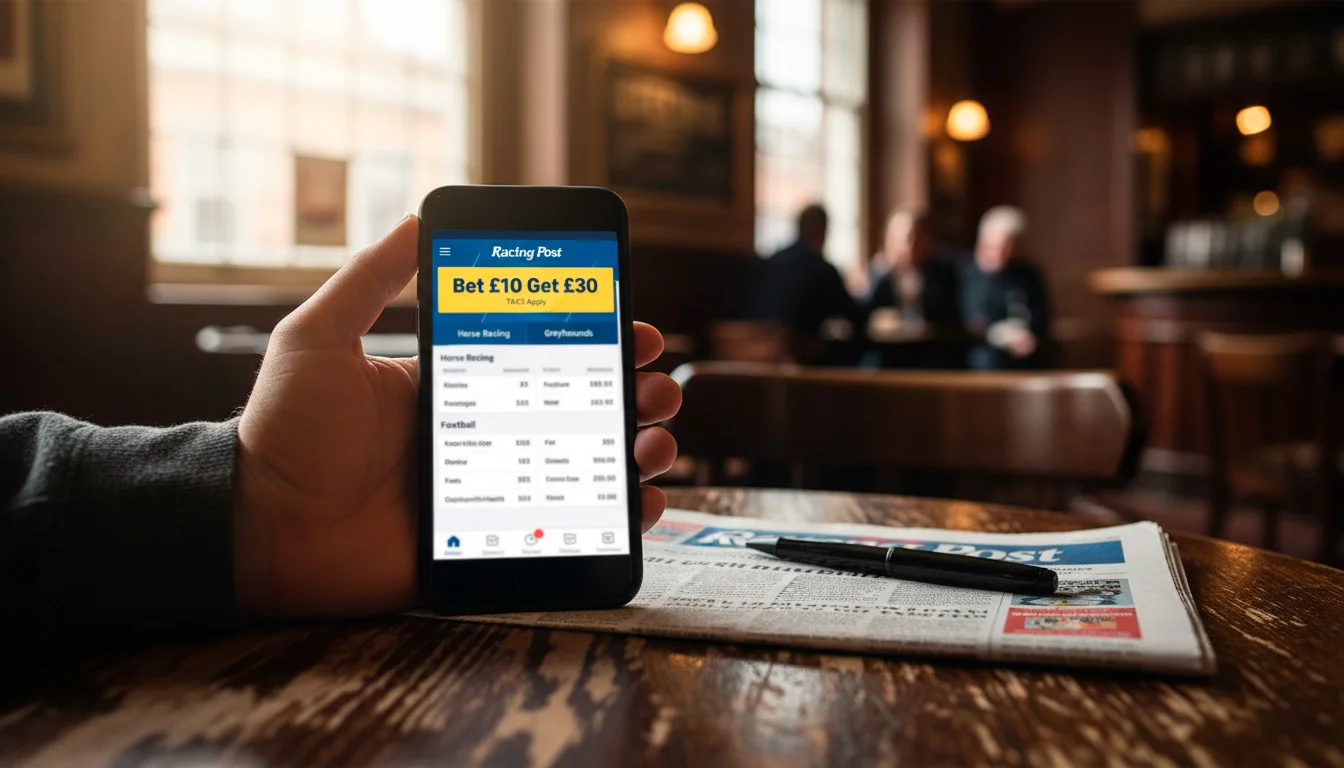
I have watched a first-time punter lose a £30 welcome offer in the forty seconds it took him to click PayPal at deposit. The bookmaker had taken his £10 qualifying stake, settled his bet, and promptly declined to credit the promotional free bets because the deposit method was on the excluded list. The small print was there, three lines of grey text on a terms page he had not opened, and by the time he worked out what had happened there was no appeal. He rang the operator support line. They were polite. They were also firm. The footnote is industry-standard, and it sits in almost every UK racing welcome offer live today.
Skrill, Neteller, and PayPal — along with a slate of prepaid cards and a handful of niche e-wallets — are excluded from promotional eligibility at somewhere between 85 and 95 per cent of UK operators. This is not a conspiracy. It is the direct legacy of a series of arbitrage and VIP-abuse patterns that unfolded across UK bookmakers in the mid-2010s, and the exclusion list has calcified into regulatory-adjacent industry practice. Grasp why it exists and the footnote stops looking arbitrary.
This piece covers the history of why these payment methods got blacklisted, which specific deposit channels are affected, the workarounds that do and do not work, and the KYC and source-of-funds interactions that govern why the bookmaker cares about your deposit rail more than about your IP address.
A brief history of why the exclusions exist
The Skrill and Neteller exclusions trace back to two interacting problems UK bookmakers faced around 2013 to 2017. First — the e-wallet rails were significantly cheaper for operators on the deposit side than card payments, which meant the margin economics of the operator shifted when a punter switched funding channels. Second — and more importantly — the e-wallets made multi-account coordination harder to detect. A syndicate running five accounts could feed them all from a single Skrill master account, splitting funds between aliases in a way that card-level fraud monitoring would flag almost instantly. E-wallets, for a while, were a laundering rail for promotional abuse at the account-cluster level.
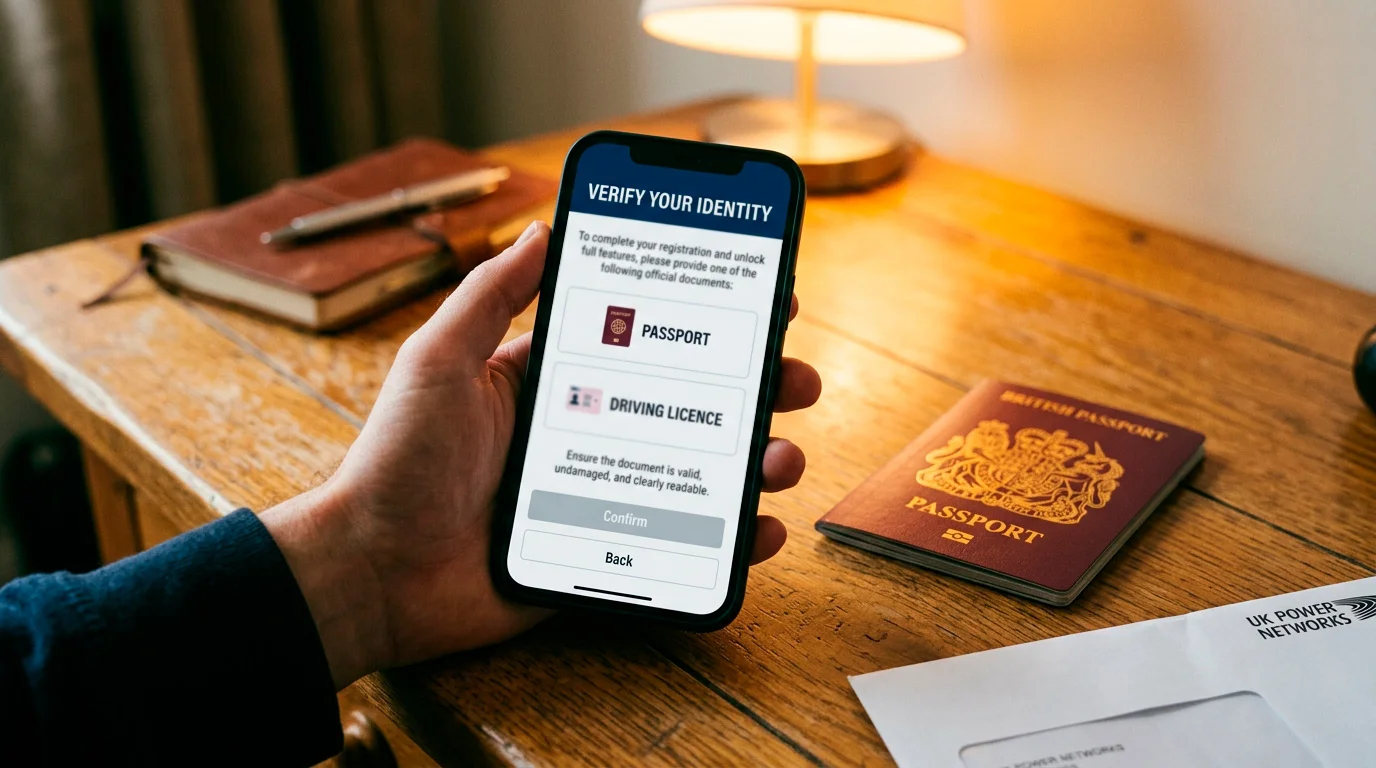
The VIP-abuse chapter added the second layer. Bookmaker VIP schemes in the pre-2019 era offered enhanced reload values, personal account managers, and loss-recovery bonuses worth thousands of pounds per year per account. Syndicates cycled their funds through e-wallet rails to cross-seed VIP accounts at multiple operators — the same underlying money, appearing in five different VIP portfolios, collecting five sets of enhanced reloads. By 2018 the UKGC had started to tighten VIP oversight explicitly, and the operators themselves had concluded that cutting the e-wallet funding pipe at the promotional-eligibility level was the cleanest way to break the abuse pattern without banning the payment methods outright.
The PayPal exclusion came last and is structurally slightly different. PayPal has stricter reversibility and chargeback provisions than Skrill or Neteller, which means a disputed deposit can reverse out of the bookmaker’s account days or weeks after the promotional stake has already been placed and settled. The reversibility risk alone would have justified the exclusion even without the VIP-abuse history.
The full list of excluded deposit rails
The exclusion pattern is remarkably consistent across UK operators, which is itself evidence that it derived from a shared industry response rather than independent commercial judgement. The typical exclusion list includes Skrill, Neteller, PayPal, and Skrill 1-Tap. Some operators additionally exclude prepaid cards such as Paysafecard, preloaded Mastercard gift products, and non-UK-issued Visa debit cards. A smaller subset exclude Apple Pay and Google Pay where the underlying funding source cannot be verified as a UK bank account — though this exclusion is patchy, with some operators accepting these rails on the basis that the funding source is typically the user’s debit card regardless.
Bank transfers and UK-issued debit cards are the rails that qualify at essentially every operator. Bank transfers are slow — two to three working days for deposit clearance — and they tend to attract higher initial KYC scrutiny because the counterparty bank is fully identified on the payment rail. UK debit cards are the default path, and most welcome offers assume a card deposit as the underlying funding route.
Credit cards are banned outright for UK gambling deposits since April 2020. This is a UKGC regulatory ban, not a promotional-eligibility exclusion — no UK licensed operator can legally accept a credit card deposit from a UK resident, regardless of whether the deposit was intended to qualify for a promotion.
Workarounds that do and do not work
The first workaround punters ask about: depositing via an excluded method and then switching to a qualifying method for the actual promotional stake. This does not work at almost any UK operator. The eligibility check runs against the method used for the deposit that funded the qualifying bet, and most operators track the funding chain on a first-in-first-out basis. If the balance at the moment of the qualifying stake is wholly or partly funded by an excluded method, the eligibility fails.
The second workaround — maintaining two separate accounts at the same operator with different funding rails — breaches T&Cs at every UK bookmaker. Multiple accounts are grounds for immediate closure and balance forfeiture. This is not a grey area; it is one of the clearest account-integrity breaches the operator can identify.
The third workaround — depositing via a qualifying method, withdrawing the same amount through Skrill or PayPal, and redepositing from the fresh balance — runs into UKGC reverse-withdrawal rules. Withdrawals must return to the original deposit method up to the amount originally deposited, so this path becomes impossible if the deposit rail and withdrawal rail are not aligned. Operators have been required under the 2020 remote technical standards to enforce reverse-withdrawal discipline, and the enforcement is strict.
The one workaround that is structurally clean — open a new account at a different operator using a qualifying deposit method from the outset, and claim their welcome offer with clean rails. That is not really a workaround. It is just respecting the T&Cs at face value.
KYC and source-of-funds — why the bookmaker cares about your deposit rail
The regulator’s framing on this is worth citing directly. Grainne Hurst of the Betting and Gaming Council has been explicit about the mechanism by which unlicensed operators erode the regulated market, saying “Almost £10 million will be staked illegally on the unsafe, growing gambling black market at this year’s Grand National, fuelling crime, undermining player protection measures, while sucking vital cash from sport and the Treasury.” The payment-rail question sits inside that wider integrity architecture. A licensed UK operator needs to be confident the money flowing into accounts is identifiable, reversible where regulation requires, and traceable to a source of funds if a KYC review is triggered.
E-wallets introduce a layer of counterparty opacity. A deposit from Skrill appears on the operator’s ledger as a deposit from Skrill. The underlying funding chain — the bank account that funded Skrill, the identity behind that bank account, the source of the money in that account — is one step removed from the operator’s direct view. For routine transactions this is fine; the e-wallet providers are themselves FCA-regulated entities with their own KYC obligations. But when a source-of-funds check is triggered by spending patterns or affordability concerns, the operator needs documentary visibility into the underlying account — and an e-wallet intermediary adds friction and latency to that visibility that a direct debit-card funding chain does not.
The £4.3 billion that flows through the UK unregulated gambling market every year, per Frontier Economics estimates, represents exactly the counterfactual the licensed sector is structured to suppress. Payment-rail discipline is one of the instruments. Operators would rather accept a narrow rails policy that annoys a subset of punters than relax the discipline and expose themselves to the kind of KYC failures that generate regulatory action.
Which operators allow PayPal
There is a minority of UK operators who accept PayPal for promotional eligibility, and the count has grown slowly since about 2022. The pattern is usually that PayPal qualifies for the welcome offer but not for reload promotions or loyalty club qualifying stakes — a split eligibility that is administratively awkward but that reflects the risk-differential between one-off onboarding promotions and ongoing incentive schemes. The welcome offer has an identity-verification step built into it (the first KYC check clears during the qualifying period), which reduces the operator’s exposure. Ongoing reloads have no equivalent KYC checkpoint, which is why the exclusion persists on the existing-customer side.
No major UK operator currently accepts Skrill or Neteller for promotional eligibility. The exclusion there is effectively industry-universal.
The practical advice I give punters checking this before opening an account: search the specific operator’s promotional T&Cs for the phrase “ineligible payment methods” or “excluded deposit methods” — the clause will be there, and it will list the full exclusion schedule in plain text. If the phrase does not appear explicitly, a card-funded deposit is the safe default that almost never voids promotional eligibility. How payment-rail discipline interacts with the full welcome-offer architecture — including minimum odds floors, SNR structures, and wagering wrappers — is covered end to end in my piece on UK horse racing welcome offers.
Reader questions on deposit-method eligibility
Can I claim a welcome offer if I deposit via PayPal and then switch to a card?
On almost every UK operator, no. The eligibility check runs against the deposit method that funded the qualifying stake, and most operators apply first-in-first-out tracking to the funding chain. A PayPal deposit that lands before the qualifying bet is placed will disqualify the promotional credit even if subsequent card deposits arrive before the stake is settled. Switch deposit methods before the first deposit, not after.
Why is Apple Pay usually allowed when PayPal is not?
Apple Pay typically functions as a tokenised wrapper around a UK-issued debit card, which means the underlying funding rail is the card itself rather than a separate e-wallet intermediary. Operators treat Apple Pay deposits as debit-card deposits for eligibility purposes. PayPal, by contrast, introduces a separate account layer and independent reversibility rules, which puts it outside the standard debit-card funding treatment even when the underlying source is the same bank account.
Prepared by the Free Horse Racing Betting editorial staff.