Grand National Free Bets and Aintree Festival Offers
 Available in US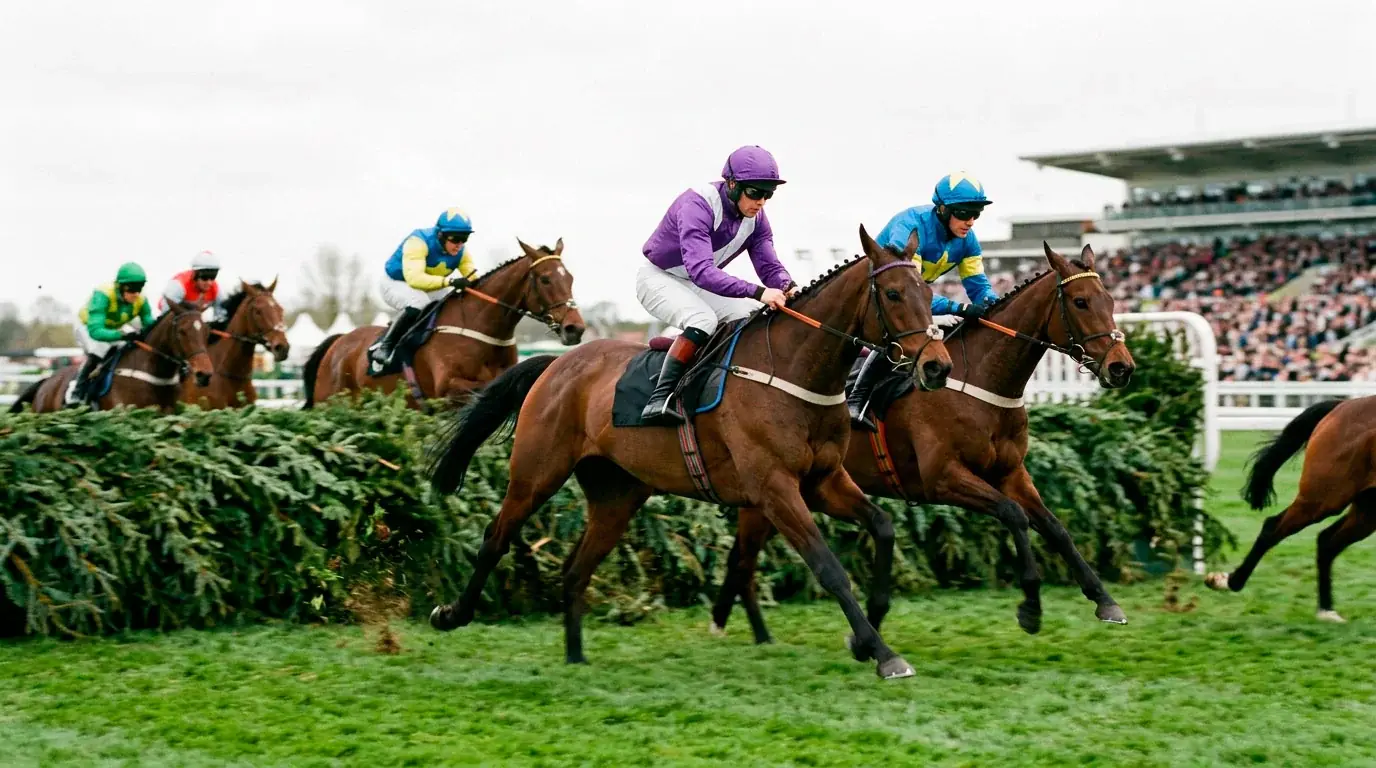
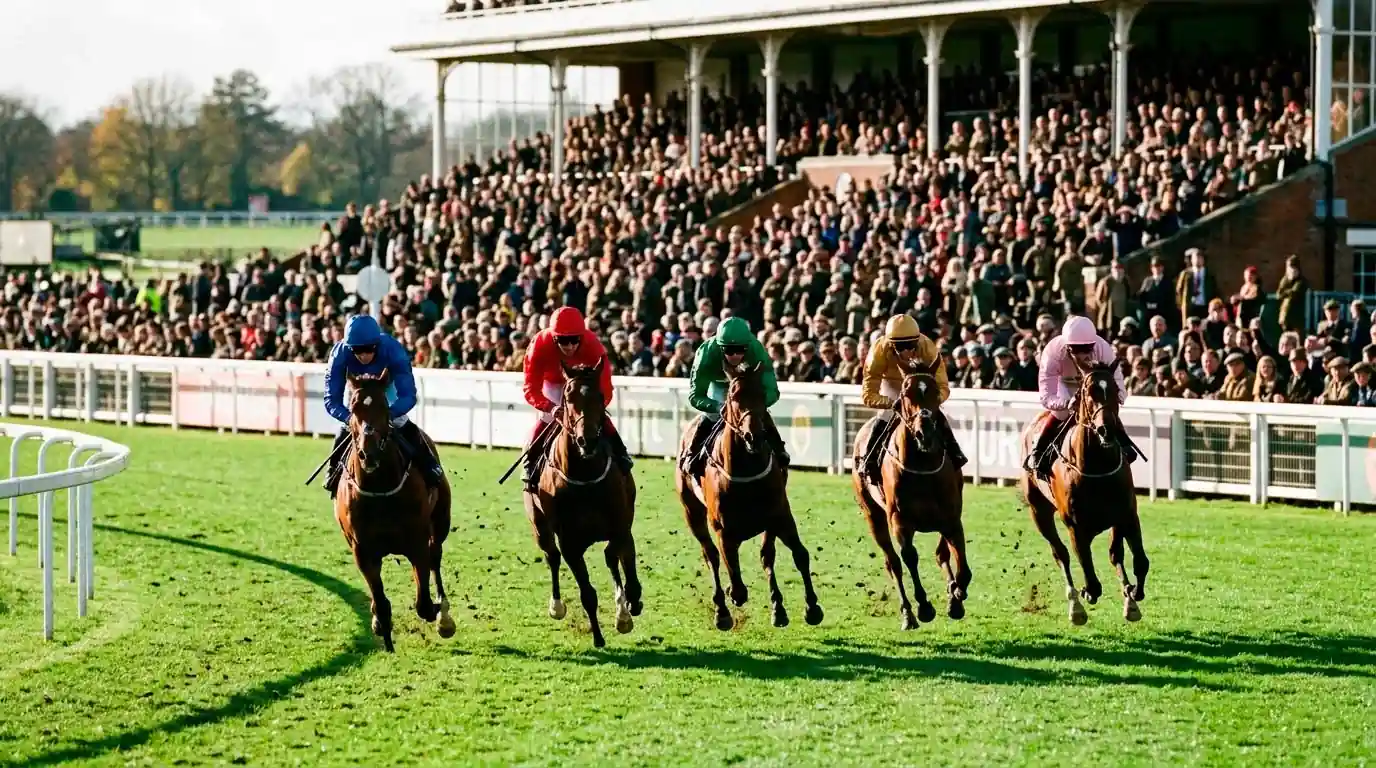
On the Saturday of the Grand National, roughly 12 million people in Britain place a bet on a horse race. For most of them it is the one bet they will make all year. For the UK bookmaking industry, it is the single biggest commercial event on the calendar — one race handling around £250m of industry turnover, with Cheltenham’s four-day festival clearing approximately £450m across its own stretch. Against that scale, free bets stop looking like a generic promotional line and start looking like what they actually are: a strategically timed marketing budget, released in tranches, across a narrow window when bookmaker acquisition cost is briefly viable.
I treat festival free bets differently from ordinary Saturday free bets for one reason: the terms are better and the markets are bigger. Extra Places extend from four to six or seven on handicaps where they matter. BOG activates from 8am rather than the normal 10am on many operators. NRNB unlocks weeks in advance. The promotional footprint during Cheltenham week is three times the scale of an ordinary racing week. And with 82% of Grand National stakes being £5 or less — this is a festival driven by occasional punters staking small — the welcome and reactivation offers are priced specifically for that behaviour. Roughly 30% of Grand National punters each year are first-timers or returners after a long pause, and the operator economics reflect that.
This piece is a calendar-led walk through where bookmakers actually spend their festival promotional budget, how Extra Places and BOG compound on specific race types, why ante-post is a different animal from day-of-race, and what a reasonable festival-week checklist looks like. Less abstract value theory; more “which races to watch on the Thursday of Cheltenham and what to look for in the morning boards on Grand National day.”
For newcomers to the sport, navigating the Grand National ballot and first-timer free bets can provide a significant advantage during the festival.
Table of Contents
- Securing Top UK Festival Free Bets and Betting Budget
- Grand National economics: one race, 12 million bets, £250m handle
- Cheltenham Festival: four days, £450m, and Sky Bet’s £10m Extra Places bill
- Royal Ascot, King George and the flat-festival rhythm
- Extra Places in depth: the mechanic that pays more than it looks
- Ante-post risk: the 180% overround that eats your stake before the race runs
- ITV racing slots and when bookmakers push offers through live broadcast
- A festival-week checklist for the pre-race morning
- The festival months are the difference between a flat and a profitable year
Securing Top UK Festival Free Bets and Betting Budget
Festivals are not evenly distributed across the year, and the promotional budget is not evenly distributed across festivals. The year’s spine runs: Cheltenham in mid-March, Grand National at Aintree in early April, the Guineas meetings at Newmarket in early May, Epsom Derby in early June, Royal Ascot in mid-June, the King George at Ascot in late July, Glorious Goodwood at the end of July into early August, the Ebor meeting at York in August, and St Leger at Doncaster in September. Those nine blocks account for the overwhelming majority of operator promotional spend across the year.
The BHA fixture list for 2025 ran to 1,460 fixtures overall, broadly stable against the 1,468 fixtures in 2024. Out of those 1,460, the festival meetings — Cheltenham, Grand National weekend, Royal Ascot, Goodwood, York Ebor, Doncaster St Leger — deliver the majority of industry handle. The rest of the calendar is midweek maintenance racing, where promotional activity is thinner, fields are smaller, and Extra Places promotions almost never run. The calendar is a binary: festival weeks are promotional saturation; non-festival weeks are maintenance. Planning your free bet use around that binary is the basic move.
Within festivals, the promotional budget is front-loaded. Most welcome offers linked to Cheltenham are released in the first week of March — two to three weeks before the festival — to catch punters opening accounts ahead of time. Grand National welcome promotions release in mid-to-late March, roughly a fortnight before the race. Royal Ascot promotions release in early June. Operators want customers registered, KYC-verified, and first-deposited before the festival itself, so that the race-day offers (Extra Places, enhanced prices, BOG extensions) have a ready audience. If you wait until Grand National morning to register, you will miss the welcome window on several operators and the offers available will be narrower.
The festivals differ on what they emphasise. Cheltenham is a jumps festival over four days with twenty-eight races — every one of which qualified for the top thirty-one most-bet races of the year in 2025. That scale creates sustained promotional intensity across four days. Grand National is the opposite: one flagship race, a handful of supporting races across Aintree’s three days, with overwhelming concentration on the Saturday. Royal Ascot is five days of flat racing with a mix of Group-level and handicap action, and the promotional emphasis skews toward the Gold Cup day on the Thursday and the Saturday finale. Glorious Goodwood is a five-day flat meeting with more varied handicap action, and the promotional intensity is lower than Cheltenham or Royal Ascot but higher than any non-festival week. Understand the rhythm of each festival and you understand where the free bet value sits.
The off-festival structure is worth a sentence. Midweek promotions exist — reload offers, daily enhanced prices, occasional Extra Places on Premier Fixtures — but they are consolation-grade against the festival flood. A sensible annual plan treats the five big blocks (Cheltenham, Aintree, Royal Ascot, Glorious Goodwood, St Leger) as the main promotional windows, with Grand National Saturday as the single biggest redemption opportunity.
Grand National economics: one race, 12 million bets, £250m handle
Nothing else in UK sport looks like the Grand National. Around 12 million people in Britain will place a bet on the race this coming April. Industry turnover on that single event sits around £250m — about six or seven times the single-race turnover of the Cheltenham Gold Cup, which is itself a substantial event. Stakes cluster at the bottom of the scale: approximately 82% of all Grand National bets are £5 or less. The median punter on National day is not a serious bettor. They are the office sweepstake buyer, the pub regular, the grandmother ringing her grandson at noon to ask which horse has the nicest name.
This shapes the promotional architecture. Bookmakers know their median Grand National customer is a once-a-year better with a limited tolerance for complexity and a strong preference for a named selection. Welcome offers for National week are typically simpler than mid-season offers: fewer conditions, shorter expiry, often a single £5-£10 token rather than a staggered release. The goal is frictionless sign-up in the fortnight before the race. Reactivation offers — for dormant accounts that haven’t been used since the previous year — are often generous, because the cost of winning back an old customer who bet £5 on one race is low compared to acquiring a new one.
Extra Places on the National itself is the flagship promotion. The base terms are typically 5 or 6 places at 1/4 odds on a 40-runner field. Operators extend this to 7, 8, or even 9 places during the final week before the race. The value of those extra slots, given the structure of a 40-runner steeplechase where competitive outsiders routinely place at prices of 20/1, 33/1, or higher, is substantial. A £5 each-way on a 33/1 horse finishing eighth in a standard 6-place market returns £0 — the horse did not place. The same bet with Extra Places extended to 8 returns the place portion: £2.50 stake at 33/4 fractional odds returns £2.50 × 9.25 = £23.13. That swing from zero to twenty-three pounds on one horse finishing one position is the single largest single-race value opportunity available to a small-stakes punter in the UK calendar.
The black-market overhang is the shadow under this. Roughly £9.4m of Grand National turnover — about 3.8% of the industry handle — was staked through unlicensed operators in 2025. The sites offering “50 places paid” or “your first bet refunded up to £100” without UKGC licensing are chasing the once-a-year punter who doesn’t know what to look for. The offers look better than licensed alternatives precisely because they are unenforceable. A £100 refund promise from an unlicensed operator is worth what the operator decides it is worth when the time comes to pay out. A £10 free bet token from a UKGC licensee is worth £10 in legally enforceable value. The disparity in headline generosity hides the disparity in reliability.
A race this scale also pulls in a share of demographic groups underrepresented in routine punting. The annual OLBG/YouGov data showed 73% of punters over 55 planning a Grand National bet against 19% of 18-24 year olds. The older demographic is largely non-digital in approach — shop counter or family-run pub sweepstake. The younger demographic is almost entirely mobile-first and more responsive to welcome-offer marketing. Operator acquisition spend follows that split: traditional advertising in the morning newspapers and on ITV for the older segment, mobile-first promotional push notifications and social-media free-bet offers for the younger segment.
Cheltenham Festival: four days, £450m, and Sky Bet’s £10m Extra Places bill
Cheltenham sits differently in the calendar. It is a jumps festival over four days in mid-March, with twenty-eight championship races including the Gold Cup, Champion Hurdle, Queen Mother Champion Chase, and Stayers’ Hurdle. Industry turnover is projected at around £450m across the four days of 2026 — roughly £112m per day, making the Thursday Gold Cup day the single heaviest trading day of the UK racing year after Grand National Saturday itself. The William Hill trading desk captured the mood during the 2026 preview when describing it as the most bet-on racing festival of the year, with an unrivalled battle between bookmakers and punters over four days.
The scale means every Cheltenham race is a major betting event. All twenty-eight races of the 2025 festival ranked in the top thirty-one most-bet UK races of the entire year. That is extraordinary: four days of racing effectively owned the year’s top thirty-one turnover slots. Operators treat the festival as a single multi-day promotional campaign rather than a series of separate races. Extra Places run across almost every handicap of the meeting. BOG extensions typically activate from 8am each morning. Enhanced-price specials — a 3/1 about a horse otherwise priced at 5/2, for example — appear on named races each day.
The operator costs of this are substantial. Sky Bet’s Extra Places liability across the 2026 meeting came in at around £10m over the four days — real cash paid out to punters who hit extra place positions that would have been zero under standard terms. bet365’s Best Odds Guaranteed exposure across the same meeting was approximately £50m in price uplifts — horses drifted from board price to SP and the operator honoured the higher number on cash stakes. These are not marketing overheads in an abstract sense. They are cash outflows, metered against the revenue per punter for the festival.
The promotional density is densest on specific race types. Competitive handicap hurdles and handicap chases with 20+ runners are where Extra Places pays out most often. The Coral Cup on the Wednesday and the Grand Annual on the Friday are traditionally heavy payout races for Extra Places, because the fields are large and the placing distribution is wide. The championship races — Champion Hurdle, Gold Cup, Queen Mother — have smaller fields (usually 8-12 runners) and narrower place terms, so Extra Places rarely apply meaningfully. Welcome-offer deployment should skew to the handicaps, not the championships.
There is a counter-intuitive angle on Gold Cup day. The Gold Cup race itself is narrow: typically 10-12 runners, short place terms, limited Extra Places value. But the day around the Gold Cup is the heaviest trading of the festival. Simon Clare at Entain made a related point worth noting: the massive uplift in Gold Cup day turnover versus the rest of the festival is often underappreciated, and a race like the Hunters’ Chase, with many horses and riders unfamiliar to racing fans, ends up being the seventh biggest betting race of the festival. That unfamiliar-rider field is exactly the kind of large-field handicap-style race where Extra Places promotions pay out most reliably. The lesson: the obvious races are not always the ones where your free bet is best deployed.
Royal Ascot, King George and the flat-festival rhythm
Royal Ascot in mid-June is the flat-racing equivalent of Cheltenham — five days of Group-level racing, royal protocol, and substantial promotional activity. The promotional rhythm is different from the jumps festivals. Flat fields tend to be smaller on Group races (8-12 runners) but larger on the heritage handicaps — the Royal Hunt Cup on Wednesday, the Wokingham on Saturday, the Ascot Stakes on Tuesday, the Hunt Cup itself routinely running with 30 declared horses. Those big-field handicaps are where the Extra Places and BOG machinery pays out most heavily, for the same reason as at Cheltenham: large fields mean wide place distributions and heavy reliance on drift protection.
Royal Ascot’s welcome-offer cycle runs slightly compressed against Cheltenham’s. Operators release the meeting’s primary offers in the first week of June, about ten days ahead of the Tuesday opener. The Thursday Gold Cup and the Saturday Diamond Jubilee / Hardwicke combination are the two redemption peaks. Thursday is traditionally the best-attended day of the meeting and the second-highest turnover day after Saturday.
The protocol wrinkle is worth understanding. Royal Ascot’s heritage restrictions affect how operators market around the meeting — certain broadcast-integrated promotions that run at Cheltenham or Aintree are toned down during Royal Ascot week. The promotional substance is identical; the tone is different.
The King George at Ascot in late July is a single-race summer highlight, flat Group 1 over twelve furlongs. Field sizes are small (6-10 runners), Extra Places rarely apply, and the promotional activity around it is usually limited to enhanced-price specials on the favourite and one or two improvers. It is a BOG-and-enhanced-price opportunity rather than an Extra Places opportunity. Don’t expect the same promotional saturation as Ascot’s June meeting or Cheltenham week.
Glorious Goodwood in late July to early August is the final major five-day flat festival before the autumn, with the Sussex Stakes on the Wednesday and the Stewards’ Cup on the Saturday. The Stewards’ Cup is a competitive sprint handicap with a typical field of 30 runners — another Extra Places heavy-hitter. Goodwood’s promotional intensity sits below Cheltenham and Royal Ascot but above midweek Premier Fixtures. The meeting suits punters who want measurable value without the festival-week noise.
Extra Places in depth: the mechanic that pays more than it looks
Standard each-way place terms on a UK handicap with 16+ runners are 4 places at 1/4 odds. That is the baseline. Extra Places extends the number of paid places — to 5, 6, 7, or 8 on promotional days — without changing the fraction. The fraction is still 1/4 (or 1/5 on races with 2-15 runners in non-handicaps). The only thing that changes is the number of positions paid.
The value comes from the distribution of places. In a 40-runner Grand National, horses priced at 33/1, 50/1, even 100/1 have real placing probabilities — not high, but not negligible. Data from the 2010-2024 Nationals shows horses at SPs of 25/1 or higher accounting for roughly one-third of top-ten finishers across that period. Extend the place terms from 6 to 8 and you double the capture rate on those mid-to-long price horses. A £5 each-way at 50/1 with 8 places at 1/4, on a horse finishing seventh, returns place-stake £2.50 × (50/4 + 1) = £2.50 × 13.5 = £33.75. Without Extra Places, that same bet returns £0.
On a standard Saturday handicap — 16-runner maiden handicap hurdle on the Premier Fixtures circuit — the baseline place pool of 4 is already reasonable. Extra Places to 5 or 6 adds incremental value but not transformative value. It is at the very large fields — 20+ runners — that Extra Places become genuine edge. The Coral Cup at Cheltenham, the County Hurdle on Gold Cup Day, the Wokingham at Royal Ascot, the Stewards’ Cup at Goodwood — these are the races where bookmakers extend places most generously and where punters should deploy free bet tokens most aggressively.
The trap is minimum stake thresholds. Some operators tie Extra Places to minimum stakes — £1 on some promotions, £5 on others, £10 on a few. A £10 free bet token satisfies any of these; a smaller free bet might not. A second trap: some operators limit Extra Places to specific races in the meeting, not the whole card. Read the race list.
The stacking question: Extra Places compounds with BOG because they operate on different axes. Extra Places affects the place count; BOG affects the price. Both promotions apply to the same bet without cannibalising each other. A Grand National bet at 33/1 morning price, with Extra Places to 8 and BOG active, pays out at whichever is higher of 33/1 and the SP, on win and place calculations, across 8 place positions. That is two independent mechanisms of protection compounding in the punter’s favour. Free bet tokens usually lose one or both of those protections — the token exclusion from BOG is near-universal — but cash stakes on National day get the full benefit.
Ante-post risk: the 180% overround that eats your stake before the race runs
Ante-post betting is the act of backing a horse weeks or months before the race, at prices released before final declarations. The classical motivation is price: ante-post prices on Cheltenham or Grand National favourites are routinely 20-40% larger than race-day prices on the same horses, because the bookmaker is absorbing both genuine outcome risk and the probability-of-running risk. A horse at 8/1 ante-post in January might be 5/1 on the morning of the race — that 3-point drift is the ante-post premium.
The cost of that premium is overround. Typical UK racing markets run at 110-130% overround on day-of-race fixed-odds books. On ante-post markets for Grand National, the overround can run up to 180%, because the bookmaker is pricing a field of 60+ potential runners that will eventually reduce to around 40 declarations. Every punter who backs a horse that fails to get to post loses the stake entirely, absent NRNB protection. The bookmaker prices that drop-out rate into the overround.
NRNB — Non-Runner No Bet — is the primary protection. With NRNB active, a withdrawn horse refunds the stake. Without NRNB, the withdrawn horse costs you your stake outright. NRNB typically activates on Grand National in early-to-mid March, a few weeks before the April race. Cheltenham NRNB activates 4-6 weeks out. Royal Ascot NRNB activates in the final fortnight before the June meeting. Before these activation windows, ante-post bets carry full non-runner risk. The 180% overround on pre-NRNB Grand National markets is the quantified version of that risk.
The practical question: is an ante-post bet on Grand National in January worth the 3-point price premium over a day-of-race bet in April? The answer depends on your view of non-runner probability. If you believe the horse has a 90% probability of getting to post — a common figure for a fit, well-campaigned chaser with a clear Aintree plan — the ante-post value equation works out: you take an 8/1 price on something really priced 5/1, giving 60% excess value; you lose 10% of stakes to non-runners; net positive. If you think the horse has a 70% probability of running — more realistic for a novice with a soft-ground issue — the non-runner tail eats the price premium.
Free bets on ante-post markets are almost always a bad deployment. Tokens burn on non-runners (no refund), BOG does not apply (no SP reference weeks out), and if the horse does run, the price will have shortened from the ante-post number. Deploy tokens on day-of-race markets where the protections apply.
ITV racing slots and when bookmakers push offers through live broadcast
ITV’s Saturday racing coverage is the single largest live-audience moment for UK racing outside Grand National day itself. The two-hour window of coverage on a typical Saturday afternoon — three to four major races from a Premier Fixture meeting, with pre-race analysis and post-race reaction — is the slot in which bookmakers push their heaviest live promotional activity. Enhanced prices released in the last fifteen minutes before a race. Extra Places extended by one slot for the next televised race. Free bet tokens pushed through the ITV Racing app.
The timing is deliberate. Live broadcast creates a concentrated attention moment, and the operator maximises conversion by releasing the offer within that window. If you are watching the ITV coverage, check the betting apps actively in the five-minute break between the pre-race interview and the off. Offers drop that do not appear on the standard promotional pages. The compression between offer release and race off means expiry windows are short — often 30 minutes — but the value per redemption is higher than standard.
During festival weeks, ITV coverage extends significantly. Cheltenham gets four days of dedicated afternoon coverage, with additional morning briefings. Grand National Saturday gets multi-hour wall-to-wall coverage from mid-morning through the post-race analysis. Royal Ascot similarly has extended afternoon coverage across the five days. Promotional intensity during these coverage windows is several multiples of the standard Saturday push.
The interaction with apps matters. Most operators release their best festival-specific offers through their native app rather than the mobile web page. Push notifications, geo-targeted offers, and time-limited enhanced prices flow through the app first. If you are punting a festival without the operator’s app installed, you are losing access to roughly a quarter of the promotional surface. Install ahead of the festival, enable push notifications, disable afterwards.
A festival-week checklist for the pre-race morning
The morning of a festival day rewards specific preparation. Here is the sequence I work through before the first race.
First, verify the day’s Extra Places promotions across your registered operators. Do not assume the operator that ran 6 places yesterday is running 7 today. Check the specific race list; some operators name individual races rather than applying promo-wide. Second, check BOG activation timing. On Grand National morning specifically, several operators activate BOG at 8am rather than the standard 10am — place morning-price bets in the 8-10am window to lock in early prices with drift protection. Third, review free bet token expiries. Tokens that expire before the festival ends need deploying today or they vaporise. Fourth, check the accepted markets list for any specific race restrictions. ITV-featured races sometimes have separate rules from the rest of the card.
Fifth, verify NRNB status on any ante-post bets you are still holding. If NRNB has activated since you placed the bet, the protection kicks in from activation forward — but any withdrawals that happened before activation are already crystallised as losses. Sixth, confirm Rule 4 awareness on the day’s boards. A Rule 4 withdrawal in the hour before a race will affect your payout silently; scanning the board for late withdrawals saves confusion at settlement. Seventh, check the minimum stake for each promotion in play. Extra Places minimums can be £1 on one operator and £5 on another; matching your stake to the threshold matters on smaller bets.
Eighth, plan your staking pattern before the first race. Festival-day impulse staking destroys more value than any single settlement rule. Know which races you are targeting with cash stakes, which with tokens, which with each-way, which with win-only. Write it down. Deviating from the plan in-running is almost always a negative-expectation move. The punter who sticks to the pre-race plan wins over the season. The punter who chases drift from race to race bleeds.
For the wider framework — how festival free bets fit into the total UK free horse racing betting picture, including Levy economics and regulatory landscape — the pillar analysis maps the full territory.
The festival months are the difference between a flat and a profitable year
Most UK racing punters who extract positive value across a season do so on a handful of festival days, not across the full calendar. The promotional budget concentration, the field-size advantages, the Extra Places compounding with BOG, the NRNB activating on ante-post exposure — these elements align during festival weeks and disperse outside them. A disciplined approach to Cheltenham, Aintree, Royal Ascot, Glorious Goodwood and St Leger captures the overwhelming majority of available free bet value for the year. Miss those weeks and the rest of the calendar won’t make it up.
The 12 million Grand National bettors and the £450m Cheltenham handle are the scaffolding on which promotional architecture is built. Your free bet value extraction is best understood as a function of those flows: more promotional budget, more generous place terms, more aggressive BOG extensions, concentrated in specific windows. Plan for the windows. The rest is maintenance.
When are Grand National free bets usually released?
Welcome and reactivation offers for Grand National typically release in mid-to-late March, about two weeks before the race. The heaviest concentration of race-day promotions — Extra Places extensions, enhanced prices, BOG from 8am — lands in the final 48 hours before the off. Operators time this carefully: they want accounts opened and first-deposited in the fortnight before the race, then convert those accounts with race-day offers on the Saturday itself. If you wait until Grand National morning to register, you will miss the welcome window on most operators.
Are Extra Places better at Cheltenham or at Royal Ascot?
Extra Places pay out more frequently at Cheltenham because the festival’s handicap races have larger fields and wider place distributions than most Royal Ascot races. The Coral Cup, the County Hurdle, and the Grand Annual at Cheltenham are traditional Extra Places heavy-hitters. Royal Ascot’s Extra Places opportunities cluster around the big-field handicaps — the Royal Hunt Cup, the Wokingham, the Ascot Stakes — but the Group races have small fields where Extra Places rarely apply. By volume of payouts, Cheltenham wins. By individual promotion quality, they are comparable.
What is the typical deadline for claiming ante-post free bet offers on the Grand National?
Ante-post free bet offers specifically for the Grand National typically have claim windows closing in the final week before the race, with most operators cutting off new ante-post-specific token offers around 48 hours before the off. The deposit-and-qualify timeline is tighter still: to qualify for an ante-post free bet you usually need to complete the qualifying bet before the NRNB activation cutoff, which is normally a week or two before race day. Check the specific operator’s claim deadline — the language in the T&Cs varies, but missing the ante-post cutoff is a common cause of voided promotions.
Prepared by the Free Horse Racing Betting editorial staff. Stay updated with the latest festival offers on our trusted horse racing betting guide.